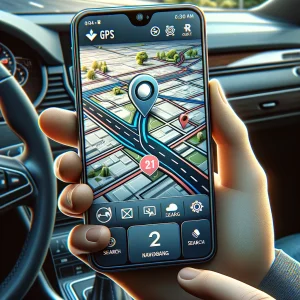
Best App for Learning to Drive
Learning to drive is one of the most liberating experiences many people can have. The process, which involves both theory and practice, can be challenging for some, especially when it comes to real-life traffic situations. To make this learning process more accessible, several apps have emerged on the market, offering tools that help practice the skills needed to become a responsible and safe driver. With these apps, it's possible to study theory, take practice tests, and even simulate traffic situations, all from your cell phone. In this article, we'll explore the best apps for learning to drive, showing their advantages and how they can be used in your daily life.
Advantages of Applications
Practicality and Accessibility
Driving learning apps offer great convenience, allowing you to study anytime, anywhere. Whether during a break at work, on public transport, or at home, you can access lessons and test your knowledge whenever you have time. This flexibility makes learning more efficient and tailored to each person's routine.
Simulation of Real Traffic Situations
One of the biggest advantages of these apps is the ability to simulate traffic situations in a controlled environment. With the help of simulators, learners can practice their reactions to different traffic conditions, such as traffic lights, pedestrians, and other vehicles, without leaving home. This helps develop confidence and the ability to make quick decisions in traffic.
Save Time and Money
Besides being practical, using apps can be a more economical solution for those who want to learn to drive. Many apps are free or have affordable plans, which reduces the need to invest in in-person driving courses and expensive study materials. This allows you to save resources and still obtain quality learning.
Immediate Feedback and Reviews
When using an app to learn to drive, you receive instant feedback on your performance. This immediate feedback is essential for correcting mistakes and continuously improving. Tests, for example, immediately show which areas need more attention, allowing the learner to focus on their weaknesses to improve quickly.
Interactive and Diverse Learning
The apps offer a more interactive approach to learning, blending theory, simulations, and tests. This makes the process more dynamic and interesting, helping to keep the student engaged. Furthermore, some apps include videos and detailed explanations, which facilitates the understanding of more complex concepts in a clear and practical way.
How to Use the Apps
Step 1: Download the app of your choice from the Play Store or App Store.
Step 2: After downloading, open the app and create an account to start customizing your learning experience.
Step 3: Explore the content options, such as theory, practice tests, and instructional videos.
Step 4: Start with the theory module and test your knowledge with the available quizzes.
Step 5: Use the simulator to practice driving and familiarize yourself with different traffic situations.
Step 6: Track your progress in the app and review the topics that need more attention.
Recommendations and Care
While driving learning apps offer many benefits, it's important to use them responsibly. They're great for supplementing practical driving lessons, but shouldn't be considered a complete substitute for the real driving experience. Furthermore, it's essential to choose apps from reputable and trustworthy sources, ensuring the content is accurate and up-to-date.
Another important point is not to neglect the practical aspect of learning. Even with all the interactive resources and simulators, real-world driving experience is crucial for acquiring the skills necessary to obtain your driver's license. Therefore, use apps as a complementary tool and practice driving whenever possible.
To learn more about using apps to learn how to drive, visit [link]. this reliable source.
Frequently Asked Questions
No, apps are an excellent tool to complement practical lessons, but real driving experience is essential for obtaining a driver's license. They are useful for reinforcing theory and simulating traffic situations, but practice behind the wheel is irreplaceable.
The best app depends on your needs. Some apps offer advanced simulators, while others focus more on theory. Research and read reviews before choosing the one that best suits your learning style.
Many apps offer free versions with basic content, but to access all features, you may need to subscribe to a paid plan. The choice between the free or paid version depends on your learning needs.
Traffic simulators in apps work by recreating real traffic conditions. This includes interactions with other vehicles, pedestrians, traffic signs, and obstacles. They help the user learn to react quickly in different situations without taking real risks.
You don't need a state-of-the-art phone, but a more recent device can ensure the app runs more smoothly, especially if it includes advanced graphics or simulators. Check the minimum requirements before installing.